
A first-timer’s guide to Algeria (2026)
- Blog
-
Mai 03
-
11 min read
- Share post
A first-timer's guide to Algeria 2026
Where is Algeria?
Located in North Africa, Algeria is bordered by Morocco to the west, Tunisia and Libya to the east, and the Mediterranean Sea to the north. The main gateway is Algiers International Airport (Houari Boumediene), making it easy for tourists to access the country.
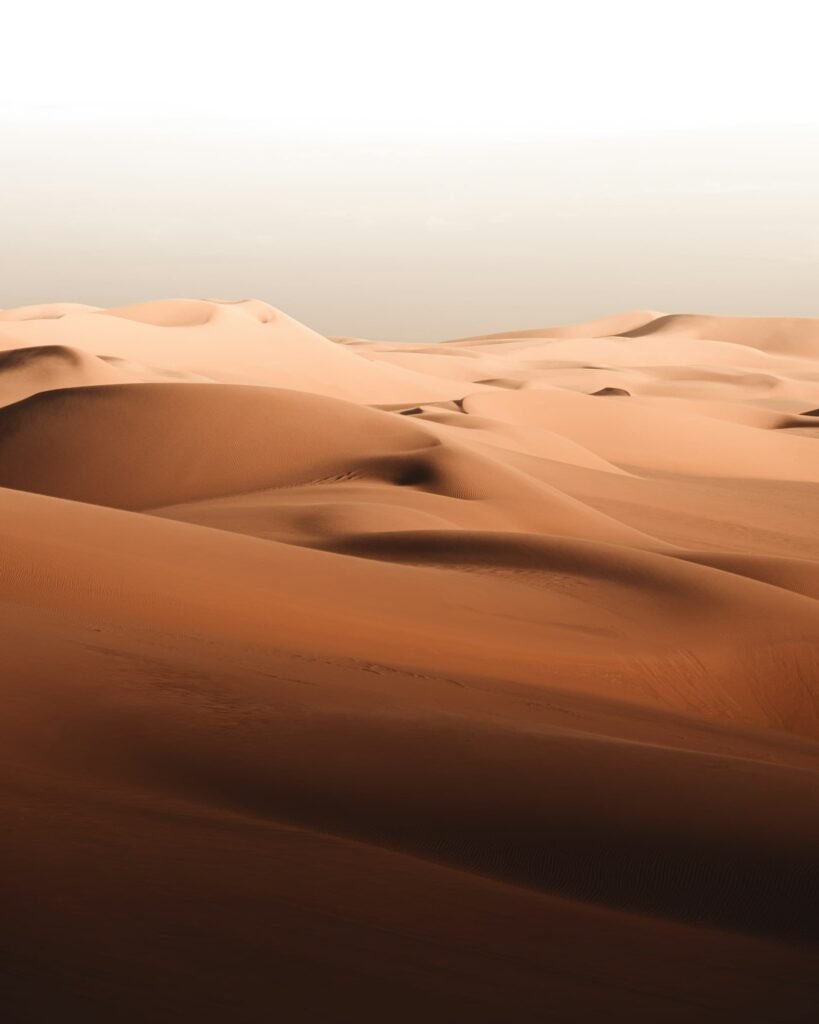
Algeria stands out thanks to the Sahara Desert, which covers over 80% of its land. As the world’s largest hot desert, the Sahara offers breathtaking landscapes and unforgettable travel experiences for visitors seeking adventure and unique scenery.
What is Algeria known for?
Algerian Sahara Desert
The Sahara Desert in Algeria covers over 80% of the country and is one of the top destinations for adventure travel in North Africa. Known for its vast sand dunes, dramatic rocky landscapes, and extreme climate, the Algerian Sahara also offers rich cultural experiences, including prehistoric rock art and authentic nomadic traditions.
Explore the heart of the Algerian Sahara on a multi-day desert tour and discover iconic destinations like Djanet and Tadrart. These regions are key gateways to the stunning Tassili n’Ajjer National Park and the breathtaking Tadrart Rouge mountains, making them must-visit locations for anyone seeking a unique desert experience in Algeria.
Algerian Ancient History
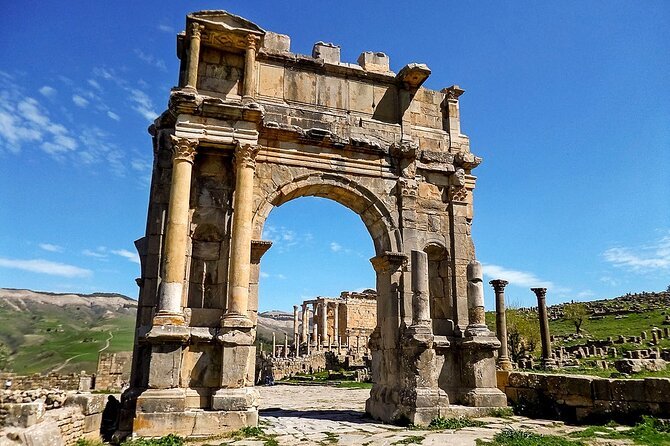
Algiers is the perfect starting point to explore some of the best historical sites in Algeria. The country is home to one of the finest collections of Roman ruins in North Africa, making it a top destination for history lovers. From Algiers, visitors can easily discover ancient forums, temples, thermal baths, and well-preserved archaeological sites that showcase Algeria’s rich heritage.
Algeria’s history goes far beyond the Roman era. It has been shaped by Phoenician traders, powerful Berber kingdoms, Roman and Byzantine rule, and later Arab and Ottoman influences. Must-visit sites near Algiers include Tipaza, a UNESCO-listed coastal city founded by the Carthaginians, and the Royal Mausoleum of Mauretania, believed to be the resting place of King Juba II and Queen Cleopatra Selene. Together, these landmarks make Algiers a key hub for exploring Algeria’s diverse and fascinating past.
Algerian Cuisine – What to eat and Where to find it
Algerian cuisine is known for its rich and diverse flavors, blending Mediterranean, Berber, and Arab influences. When visiting Algiers, must-try dishes include couscous with meat and vegetables, slow-cooked tagines, and brik, a crispy pastry filled with savory ingredients. With spices like cumin and saffron, food in Algiers offers an authentic and flavorful experience for every visitor.
For the best restaurants in Algiers, you can use Spot DZ to easily filter places by cuisine and area, helping you discover top-rated spots across the city. While options for vegetarians, vegans, and gluten-free diets can be limited—especially outside major cities—Algiers offers a wider selection. Alcohol is also mainly available in larger cities like Algiers, making the capital the best place to explore both traditional and modern dining experiences.
Where are the best places to visit in Algeria?
Algiers
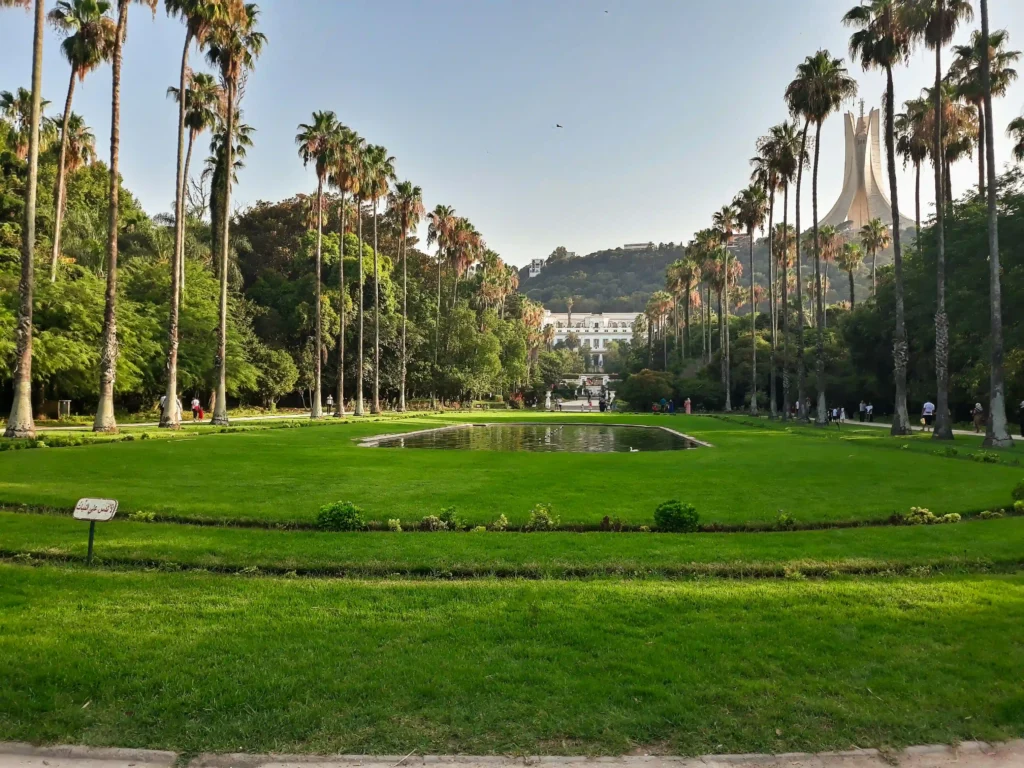
Algiers, the capital of Algeria, is the country’s largest city and a must-visit destination for travelers exploring North Africa. This vibrant Mediterranean city is home to some of the best tourist attractions in Algiers, from historic landmarks to stunning coastal views. Visitors can explore iconic sites such as Bastion 23 Palace, the impressive Notre Dame d’Afrique, the city’s famous seafront or the beautiful garden of « Jardin D’Essai » as shown in the image below.
One of the highlights of any visit to Algiers is the Kasbah, a UNESCO World Heritage site known for its narrow alleyways, traditional houses, historic palaces, and beautiful mosques. Whether you’re discovering cultural landmarks or planning where to eat nearby, Spot DZ helps you find the best restaurants in Algiers by area and cuisine, making it easier to enjoy the city while visiting its top attractions.
M’zab Valley
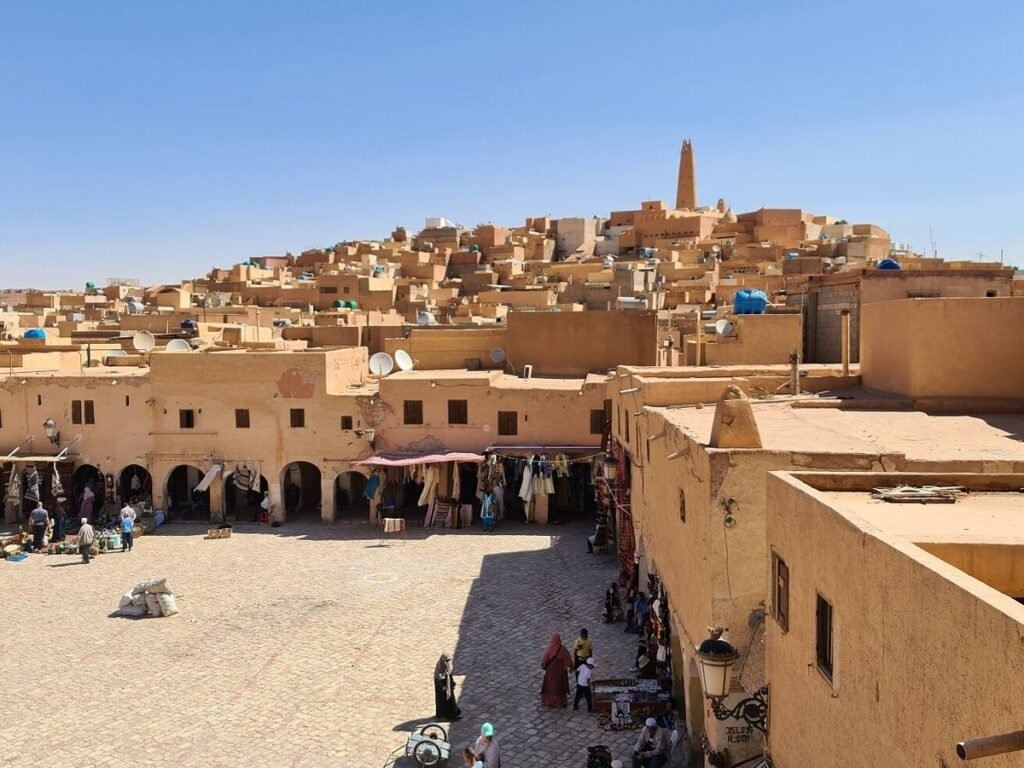
If you’re wondering what to visit in Algeria, the M’Zab Valley is an unmissable destination. Located in the heart of the Sahara Desert, this UNESCO World Heritage Site is one of the most unique places to visit in Algeria. The valley is home to five historic fortified cities (ksour) dating back to the 10th century, known for their distinctive architecture and well-preserved cultural heritage.
Visitors exploring what to visit in Algeria should not miss Ghardaia and its surrounding villages, including the sacred town of Beni Yezguen. Discover traditional markets, historic mosques, and authentic local life while experiencing the charm of the Algerian Sahara. A visit to the M’Zab Valley offers a complete cultural and travel experience in one of the most fascinating regions of Algeria.
Constantine
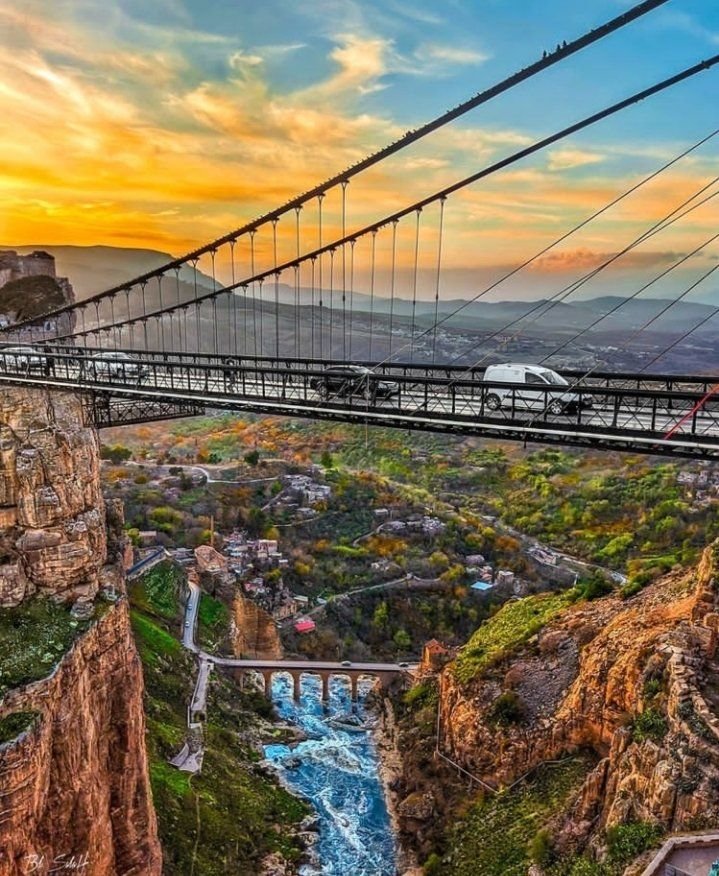
If you are searching more for what to visit in Algeria, the city of Constantine is one of the most spectacular destinations in the country. Known as the “City of Bridges,” Constantine is built dramatically over deep gorges and offers unique landmarks such as the Ottoman-era Palace of Ahmed Bey, the iconic Sidi M’Cid suspension bridge, and the scenic Boulevard of the Abyss. The National Museum of Cirta also showcases a rich collection of ancient artifacts that highlight the city’s long history.
Nearby, Djemila is one of the most important Roman sites in Algeria and a UNESCO World Heritage Site. Set in a mountainous landscape, it features remarkably preserved ruins including mosaic-covered floors, triumphal arches, temples, and ancient houses. Together, Constantine and Djemila make an essential part of any itinerary for travelers looking for the best historical and cultural experiences in Algeria.
Timgad
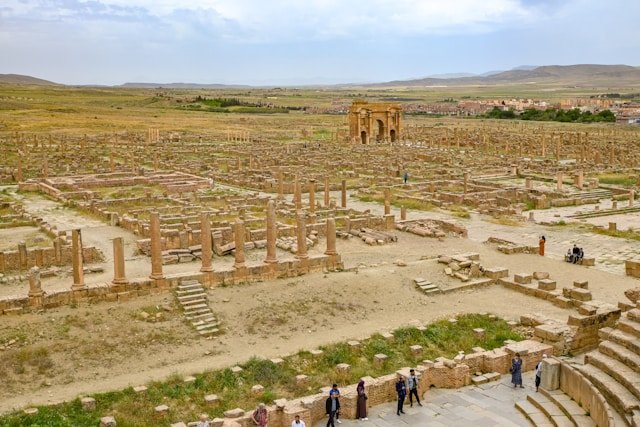
Timgad is one of the most impressive Roman historical sites in Algeria. Often called the “Pompeii of Africa,” this UNESCO World Heritage Site was founded by Roman Emperor Trajan as a military colony to control the region. Today, it remains one of the best-preserved Roman cities in North Africa.
Visitors can explore perfectly laid-out Roman streets, a grand forum, an ancient theatre, and the remains of public baths, offering a rare glimpse into daily life during the Roman Empire. Timgad is a must-see destination for history lovers and one of the most important stops when discovering what to visit in Algeria.
Top travel tips for Algeria
Cultural norms
Arabic, Berber, and French are widely spoken across Algeria, making communication generally accessible for visitors, especially in cities like Algiers. Some French words and Darija (Algerian Arabic dialect) is commonly used in daily interactions, while Berber reflects the country’s deep cultural and historical roots. Learning a few basic phrases in French or Arabic can significantly improve your travel experience and help you connect more easily with locals.
When visiting Algeria, it is also important to respect local customs and traditions. Always ask for permission before taking photos of people, particularly in markets and rural areas. Dress modestly by covering shoulders and knees, especially when exploring traditional neighborhoods, religious sites, or local markets. Respecting these cultural norms ensures a more comfortable and authentic experience while traveling through Algeria.
What to pack
When packing for a trip to Algeria, it’s important to consider the country’s climate and cultural norms. Here’s a simple checklist of what you should pack:
– Layered clothing suitable for changing temperatures, especially for trips to the Sahara Desert
– Modest clothing such as long-sleeved shirts, long trousers, and longer skirts (recommended for respecting local customs)
– Comfortable walking shoes for cities, historical sites, and uneven terrain
– Sun protection, including a hat, sunglasses, a scarf, and high-SPF sunscreen
– A refillable water bottle to stay hydrated, especially in hot and desert regions
– Essential travel documents such as your passport, visa, and travel insurance